
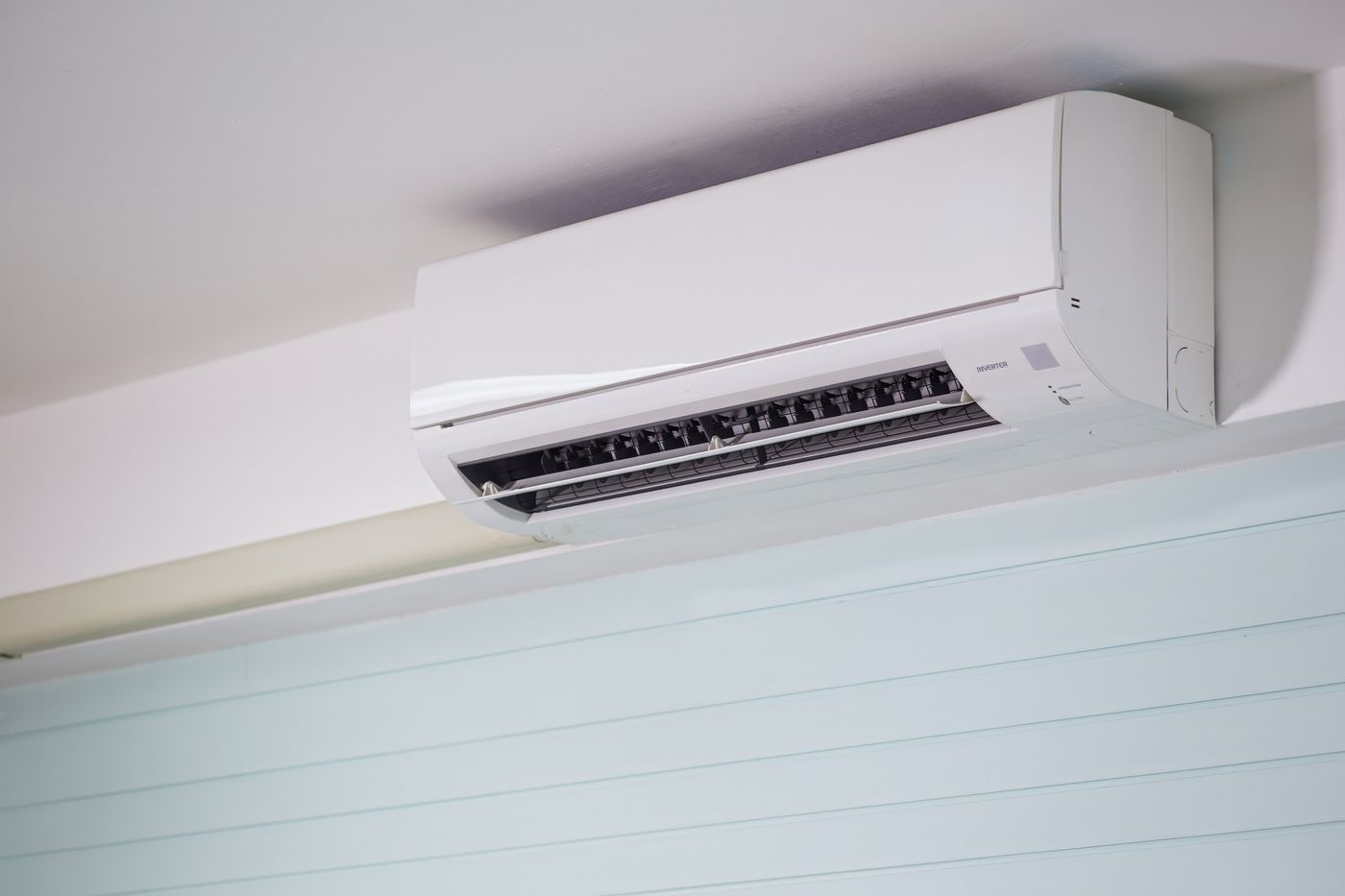
Choose for the room, not only the price
An air conditioner needs to match the space it serves. A low purchase price is not a saving if the equipment struggles to maintain comfort, uses unnecessary energy or cannot be installed properly. Start by describing the room and how you use it.
Floor area is useful, but it is not a complete cooling-load calculation. Ceiling height, insulation, glazing, sunlight, occupancy and heat-producing equipment can all affect the required capacity.
What does BTU capacity tell you?
Cooling capacity is often advertised in BTU per hour. This indicates the rate at which a unit can remove heat, not its electricity consumption. A larger number is not automatically better.
An undersized system may run for long periods without meeting demand. An oversized system may cycle poorly and give less consistent comfort. Ask for sizing based on the room's characteristics rather than relying on a universal square-metre rule.
Inverter operation and seasonal efficiency
Inverter technology allows the compressor to vary its output instead of operating only at a fixed speed. This can help the system respond to changing demand, but actual performance still depends on sizing, installation, controls and operating conditions.
When comparing models, look at seasonal efficiency information such as SEER for cooling and SCOP for heating where provided, as well as the stated test conditions. Compare equivalent products and ask how the unit performs in the conditions expected at your property.
Installation details that deserve attention
- Indoor unit placement for comfortable airflow and service access.
- Outdoor unit location, ventilation, noise and maintenance access.
- The permitted pipe route, condensate drainage and electrical requirements.
- Any building-management or property permissions that must be confirmed.
These are design and installation questions for a qualified professional, not a do-it-yourself checklist. Ask the installer to explain the proposed arrangement and confirm what is included in the price.
Think about heating, noise and everyday use
If you plan to heat with the same unit, review heating capacity and efficiency as carefully as cooling performance. Noise matters in bedrooms and neighbouring spaces. Check which sound measurement is quoted and compare like with like.
Controls, timers, filter access and availability of service also affect the ownership experience. Features should solve a real need rather than distract from correct sizing and installation.
Keep performance in mind after installation
Follow the manufacturer's operating and cleaning guidance. Keep airflow paths clear and arrange professional servicing at intervals appropriate to the equipment and usage. Unusual noises, water leakage or changes in performance should be assessed rather than ignored.
Prepare for a useful quotation
Share room dimensions, photographs, window orientation, existing equipment details and your preferred operating hours. Ask for the exact model, installation inclusions, warranty terms and any additional site work. Matek Energy can help discuss equipment selection and installation requirements for your property.
Before you speak with an installer
A few details make the conversation more useful and help establish whether a site visit is needed.
- Note your property type, location and the spaces or equipment you want to improve.
- Have recent energy bills and existing equipment model details available where possible.
- Share your priorities: comfort, consumption, available space, timing and budget.
- Ask for the equipment specification, installation scope and service terms in writing.
General guidance only, not a site-specific design or a savings guarantee. Installation, electrical work and system adjustments should be assessed and carried out by suitably qualified professionals.